
Research at MICS
MICS research is organized around three connected pillars. Below are the center’s current projects, grouped by pillar.
Pillar 1 — Trustworthy AI and Machine Learning
Faculty: Arnob Ghosh · Sponsor: National Science Foundation
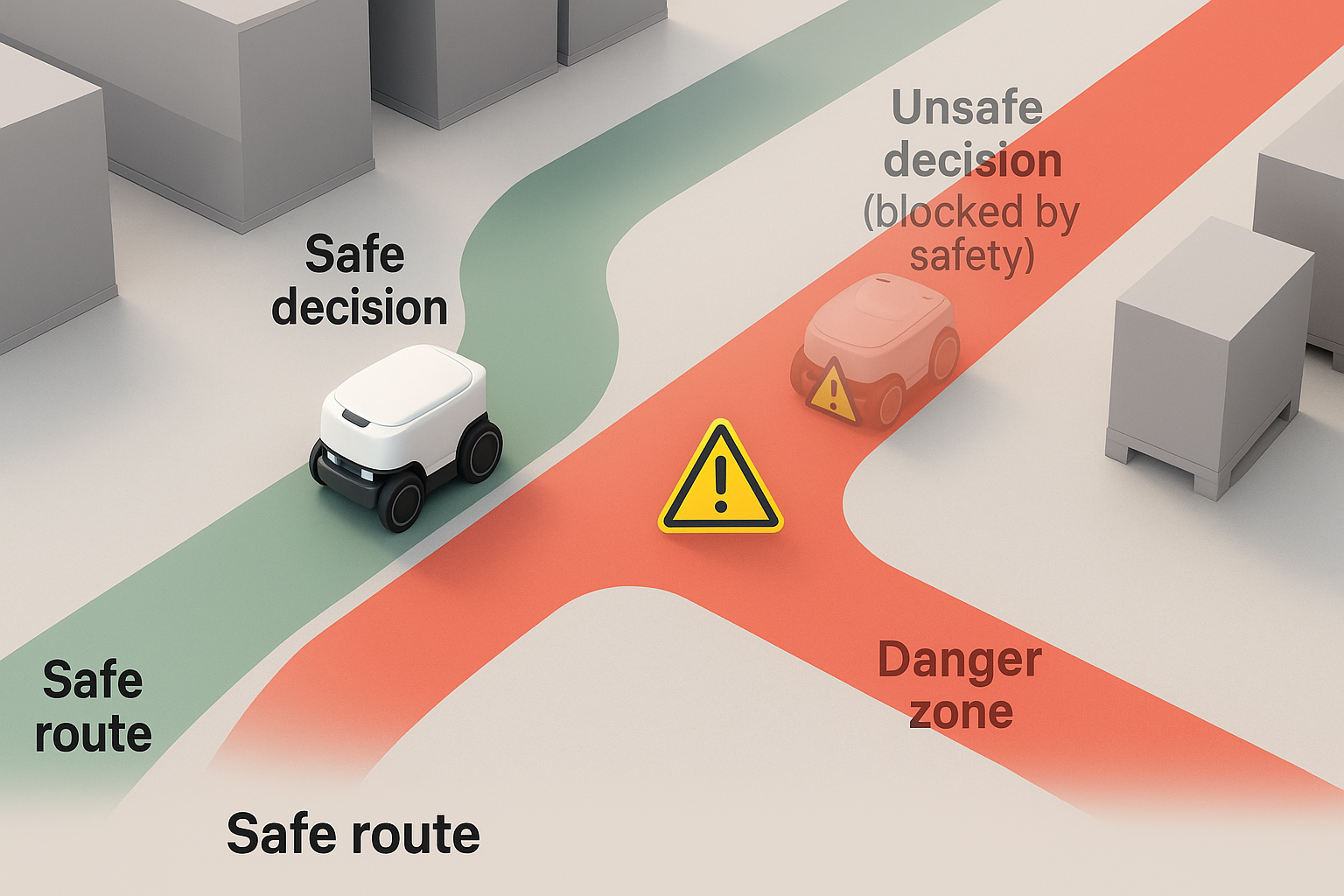
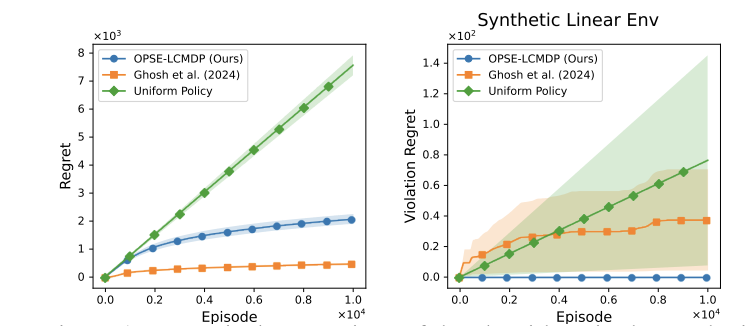
Reinforcement learning lets machines learn good decisions by trial and error, but most methods give no safety guarantees while they are still learning. This project designs algorithms that provably respect safety limits during the entire learning process, and that stay safe when the real world differs from the simulator — a key requirement for robots, autonomous vehicles, and other safety-critical systems.
 |  |
Faculty: Joerg Kliewer · Sponsor: National Science Foundation
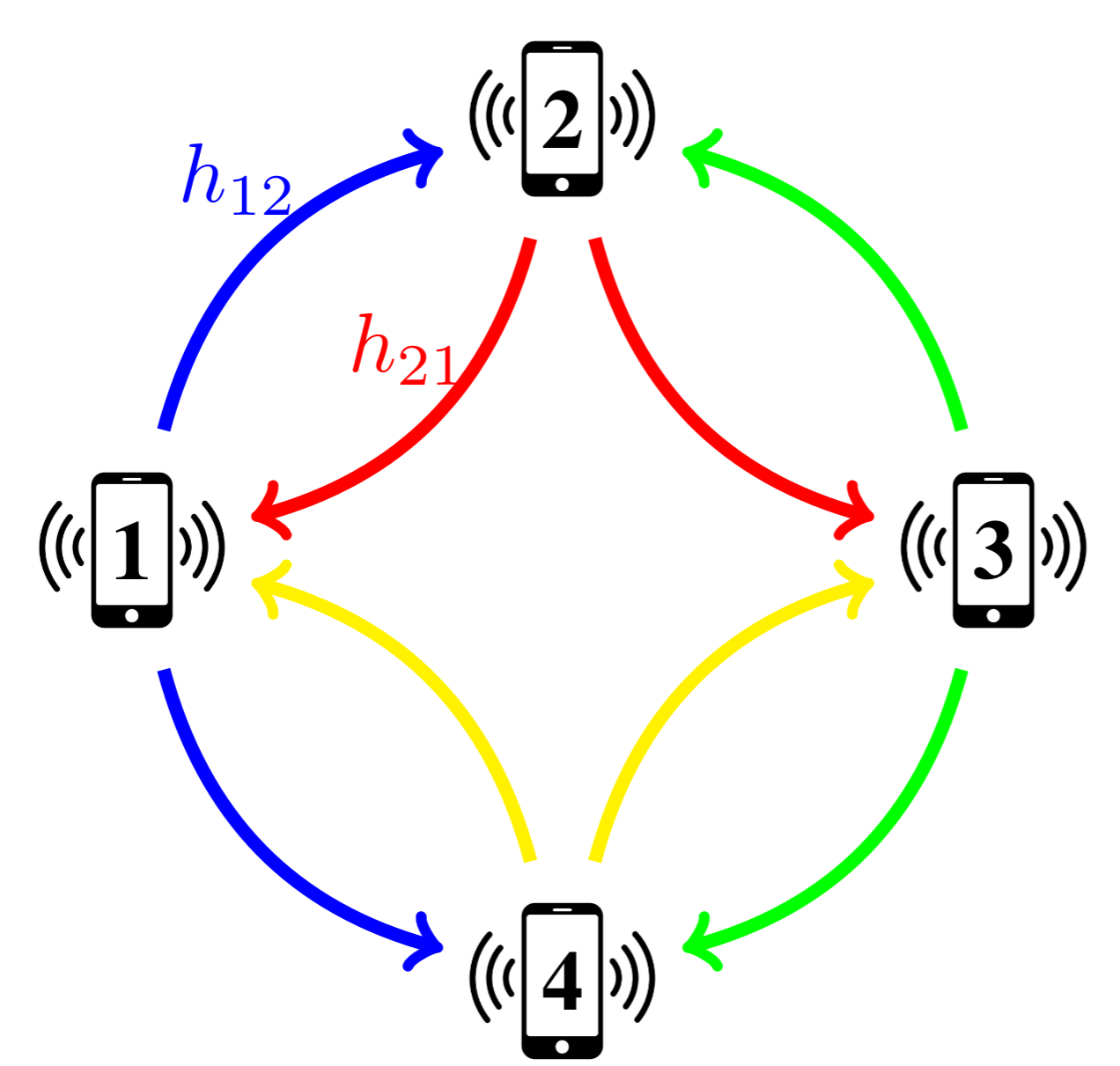
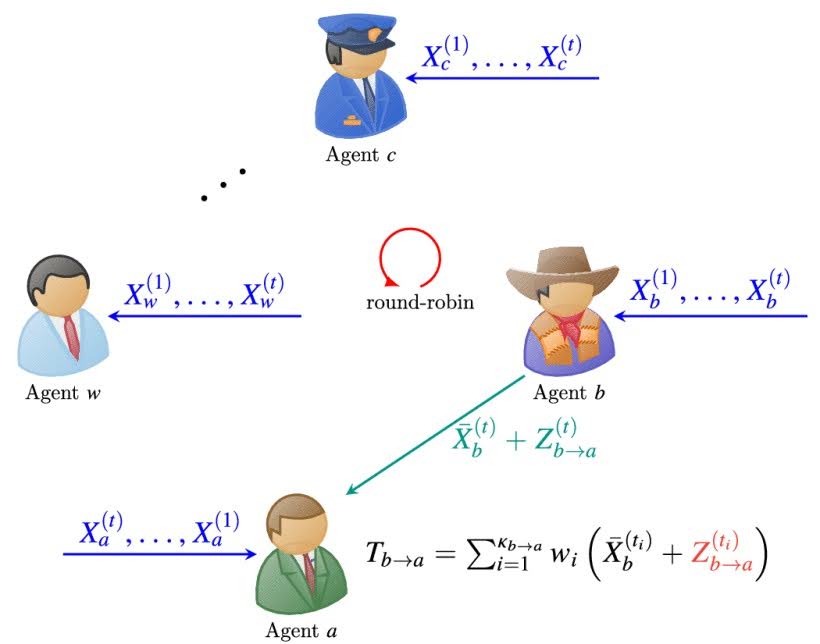
When many devices, such as phones or sensors, train an AI model together, some devices are slow and some may even be malicious. This project uses coding theory to build decentralized learning methods that stay accurate despite slow or attacking devices, while provably protecting each user’s private data.
 |  |
Faculty: Ani Sridhar, Joerg Kliewer · Sponsors: NJIT, Faculty Seed Grant
Graph Neural Networks (GNNs) are increasingly deployed in sensitive settings, yet the embeddings they produce may reveal more information than intended. This project investigates property inference attacks, in which an adversary infers sensitive structural properties of a private graph, such as community memberships, using only the outputs of a black-box GNN. Typically, these attacks involve training a secondary model on synthetic “shadow graphs” to identify structural patterns leaked by the target model. This project aims to characterize the limits of an adversary’s ability to carry out such attacks, with the ultimate goal of developing more effective defenses.
Pillar 2 — Intelligent Communication and Networking (6G & Beyond)
Faculty: Joerg Kliewer · Sponsors: NJIT, National Science Foundation
Instead of transmitting every bit exactly, semantic communication sends only the meaning of a message, and generative AI at the receiver rebuilds the rest. The project studies this idea for text and video and develops mathematical guarantees on how often the meaning is lost over a noisy connection.
Faculty: Joerg Kliewer, with Alexander Haimovich and the Naval Information Warfare Center Pacific · Sponsor: U.S. Navy
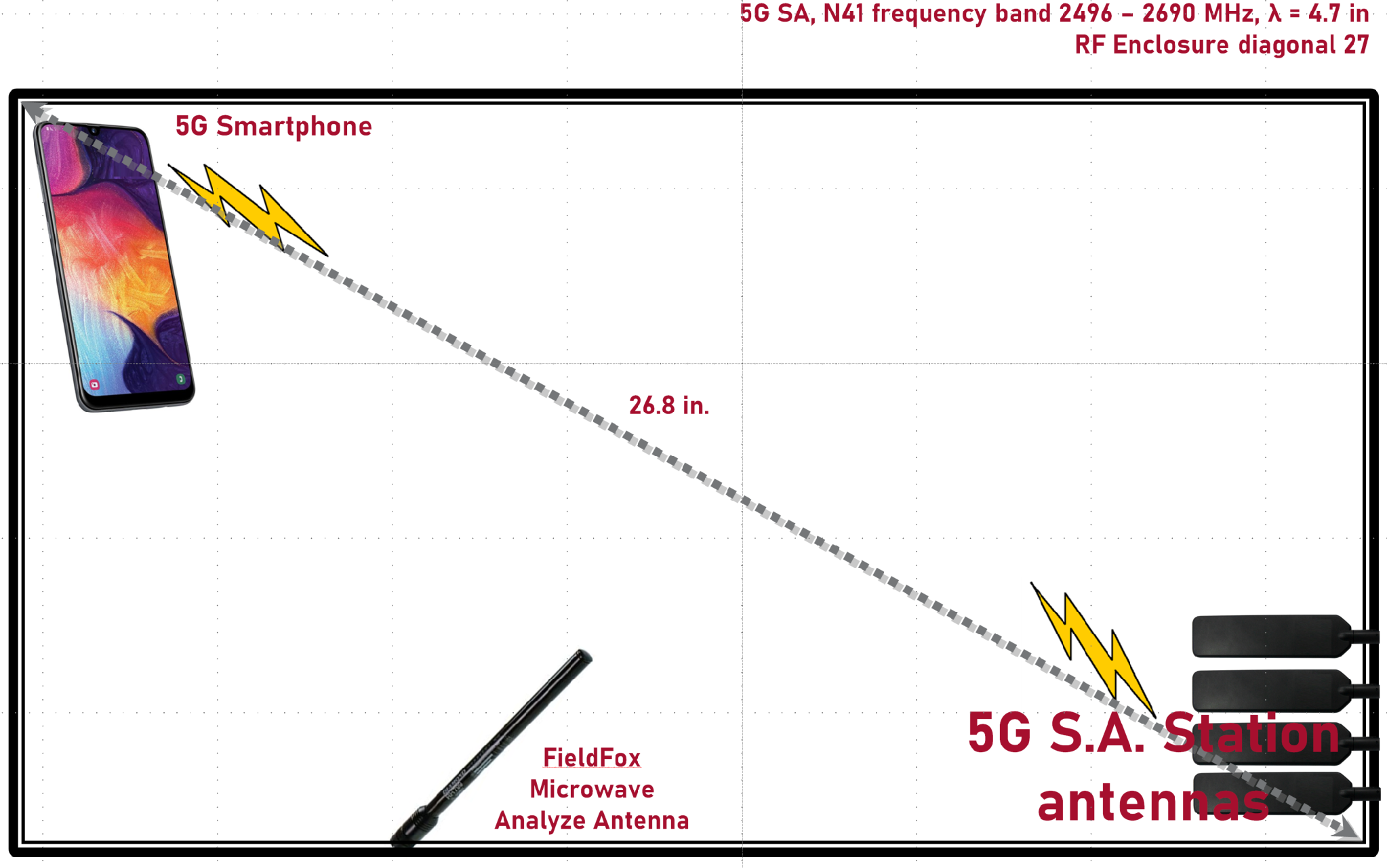
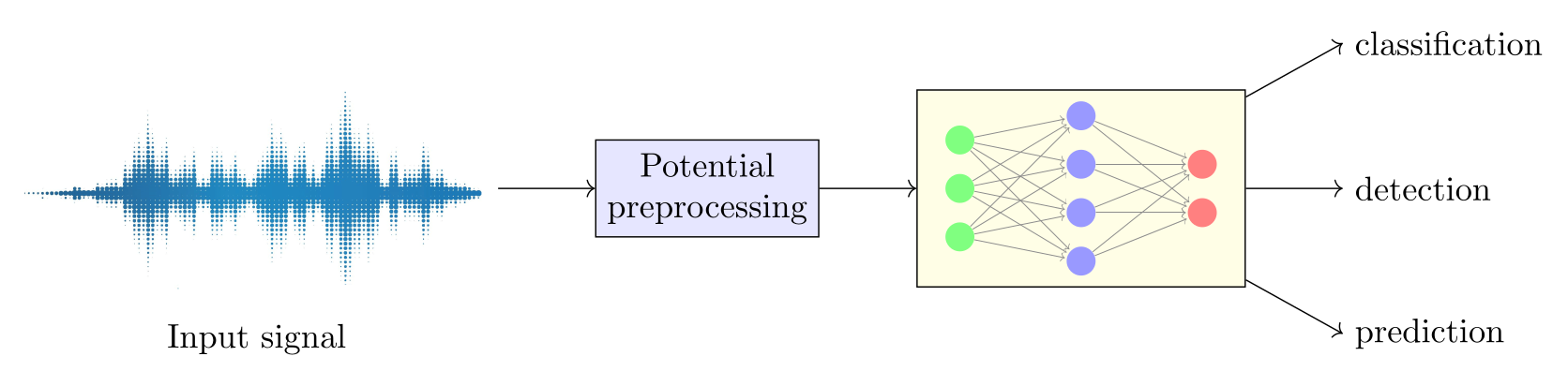
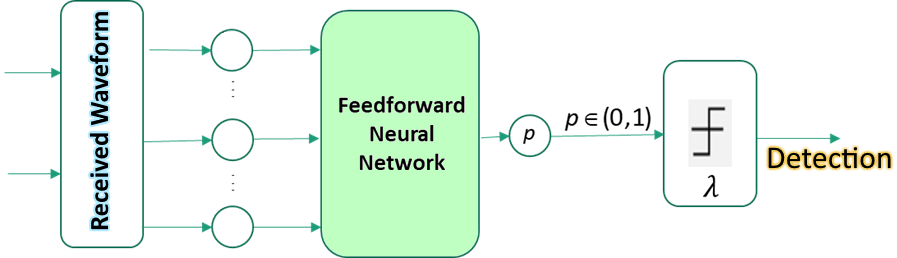
Every radio transmitter has tiny, unintentional hardware imperfections — a “fingerprint” that is nearly impossible to copy. This project trains neural networks to recognize these fingerprints in 5G signals, so that networks can detect devices that impersonate legitimate ones.
 |  |
Faculty: Arnob Ghosh
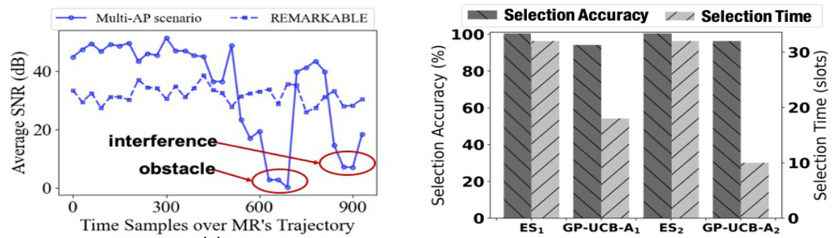
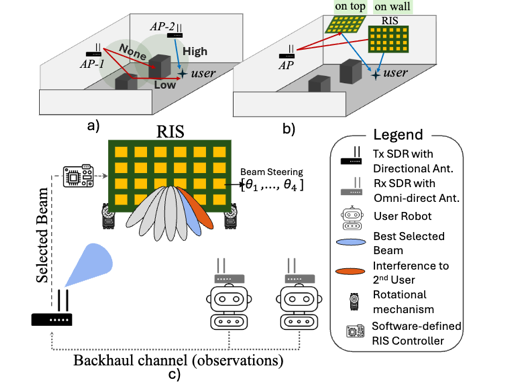
Robots on factory and warehouse floors need reliable wireless connections despite walls and machinery. This project uses fast online learning to steer smart reflecting surfaces toward moving robots, finding good connections 46% faster than the previous state of the art while keeping 94% accuracy. The work received the Best Paper Award at ACM MobiHoc 2025.
 |  |
Faculty: Alexander Haimovich · Sponsor: Department of Defense
Neural networks are trained to detect radar targets under difficult conditions such as clutter, interference, and fast motion, even from very coarse (one-bit) data. The trained detectors are then tested in real time on software-defined radio hardware.
Faculty: Ali Abdi Sponsor: National Science Foundation
The project bridges research and commercial application by developing a high-speed underwater modem that utilizes acoustic particle velocity alongside traditional pressure channels. The compact modem offers higher spectral efficiency and improved performance.
Faculty: Ali Abdi, with Mohsen Badiey (University of Delaware) Sponsor: National Science Foundation
The research aims to overcome underwater acoustic communication’s bandwidth limitations to enable higher data rates. Its novel approach introduces acoustic particle velocity channels and focuses on particle velocity channel modeling and transceiver design.
Pillar 2 — Intelligent Communication and Networking (6G & Beyond) cont'd
Faculty: Ali Abdi Sponsor: National Science Foundation
Existing wireless and cabled communication systems fail during catastrophic underground mine collapses. To maximize survival rates and connect trapped individuals deep underground with rescue workers, this project develops a robust alternative communication system.
Faculty: Ali Abdi Sponsor: National Science Foundation
By advancing signal processing and transceiver design, the introduced vector acoustic communication approach enables bandwidth-efficient communication and telemetry across a large market, including offshore energy, ocean monitoring, underwater repair, and exploration.
Faculty: Ali Abdi, with Yeheskel Bar-Ness (NJIT) Sponsor: CECOM
By advancing signal processing and transceiver design, the introduced vector acoustic communication approach enables bandwidth-efficient communication and telemetry across a large market, including offshore energy, ocean monitoring, underwater repair, and exploration.
Pillar 3 — Information, Learning, and System Dynamics
Faculty: Joerg Kliewer, with Remi Chou (University of Texas at Arlington) · Sponsor: National Science Foundation
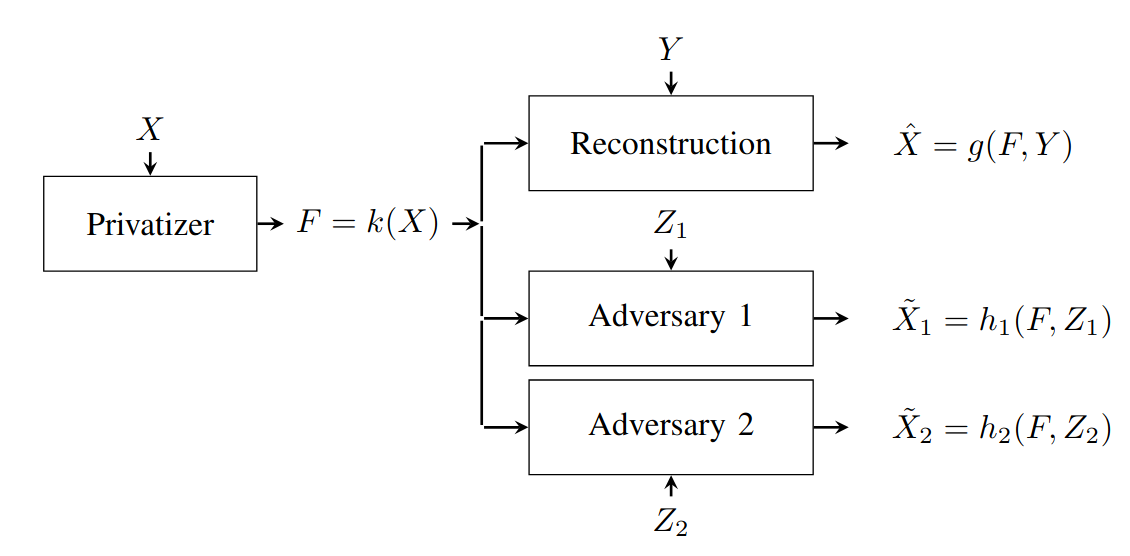
How can data be shared so that authorized users can use it, while eavesdroppers who already know part of it cannot reconstruct it? The project derives the best possible trade-off between usefulness and privacy and trains neural networks that come close to it.
Learning Networks from the Dynamics of Social Agents
Faculty: Anirudh Sridhar
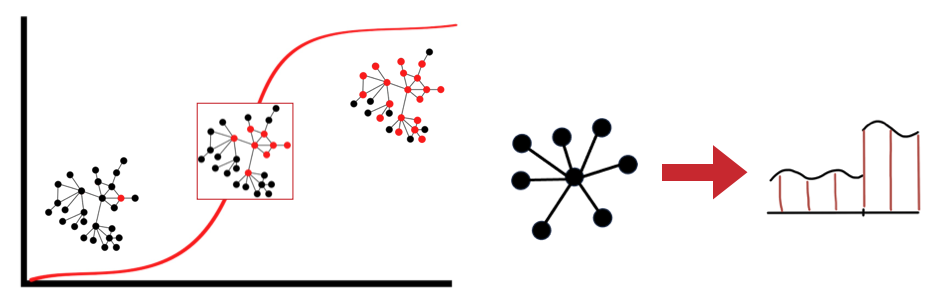
From limited observations of how something spreads through a population — for example an epidemic — this project infers who influences whom, so that key actors such as “super-spreaders” can be identified quickly.
Faculty: Ali Abdi, with Zoi-Heleni Michalopoulou (NJIT)
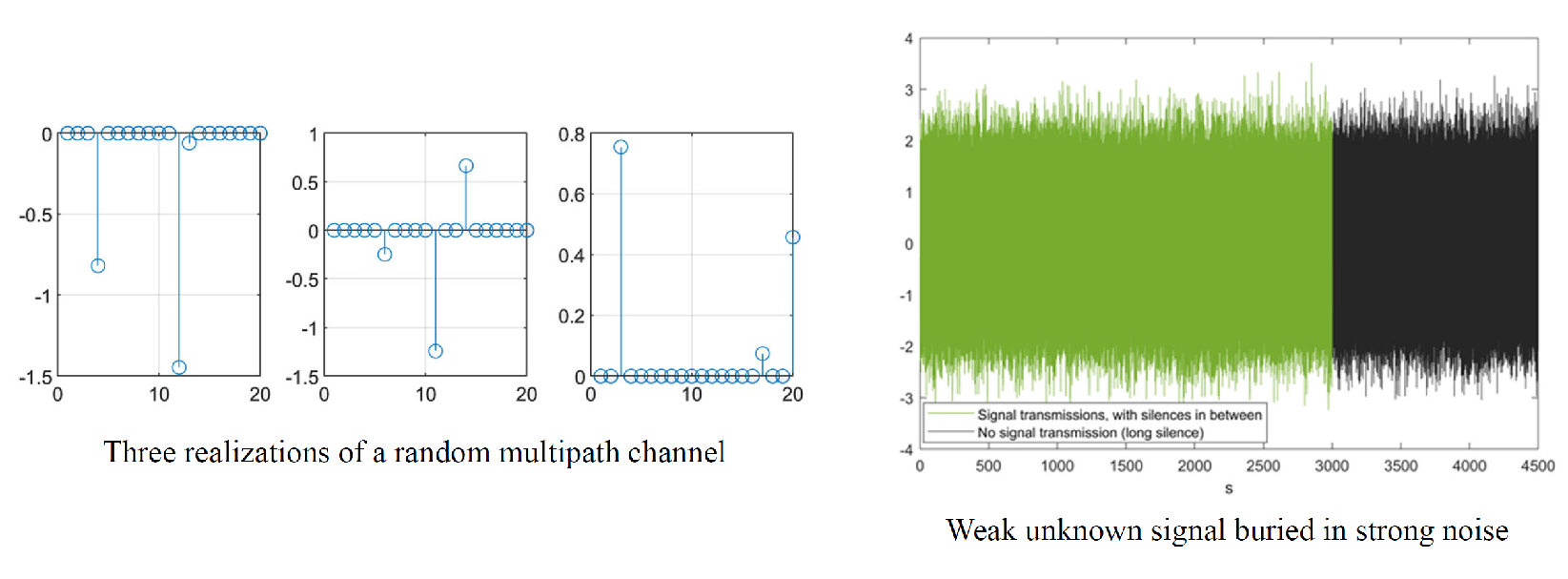
This project detects weak, unknown signals in channels with many echoes, such as underwater channels, without knowing the transmitted signal in advance. It learns and detects the signal from experimental field data using a dictionary learning approach.
Faculty: Ali Abdi
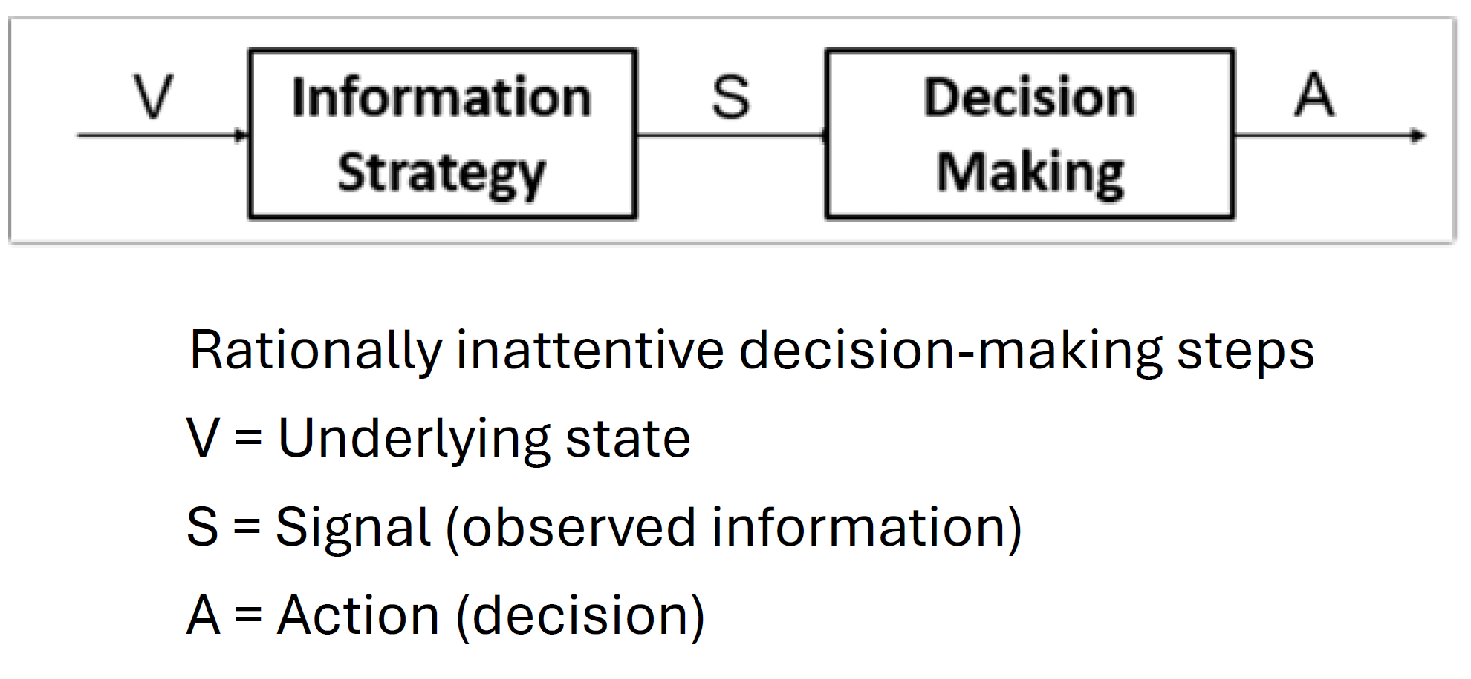
Collecting information costs time and resources, so a smart decision-maker may deliberately ignore some of it. The project shows how to make good decisions from noisy, partly ignored data and derives a fundamental limit on how much noise can be tolerated.
Faculty: Ali Abdi, with Zoi-Heleni Michalopoulou (NJIT) Sponsor: NJIT
This research develops mathematical theories and algorithms for robust underwater sound-source detection in dispersive multi-arrival channels using hydrophones and vector sensors. The developed detection strategies are rigorously tested via simulations and pool/tank experiments.
Faculty: Ali Abdi, with Zoi-Heleni Michalopoulou (NJIT) Sponsor: NJIT
This project focuses on detecting weak and increasingly quiet targets in underwater environments, by developing robust signal-processing algorithms and optimal hydrophone-placement strategies.
Pillar 3 — Information, Learning, and System Dynamics Cont'd
Faculty: Ali Abdi, with Alexander Haimovich (NJIT) Sponsor: Honeywell
This study develops a power minimization-based GPS anti-jamming space-time preprocessor with a uniform circular array, allowing jammer filtering without modifying existing receivers. It also evaluates full- and reduced-rank processing methods against jamming and mutual coupling.
Faculty: Ali Abdi, with Mark Dean (Columbia University)
Collecting Information costs time and resources, so a smart decision-maker may deliberately Ignore some of It. The project reveals how to make good decisions from noisy, partly ignored data and derives a fundamental limit on how much noise can be tolerated.
Faculty: Ali Abdi, with Andre Levchenko (Yale University) and Tomasz Lipniacki (Polish Academy of Sciences)
This research focuses on modeling intra-cellular communication and signal processing mechanisms, as well as analyzing molecular networks. The ultimate goal is discovering molecular targets to develop effective therapeutics to treat prevalent complex diseases.
Faculty: Hongya Ge · Sponsors: ONR, NUWC, NSF
Adaptive processing of data from arrays of sensors to locate and track signals of interest in changing environments, with applications in defense and wireless communications.