
Atam Dhawan
Ph.D., Chief Strategic Innovation Officer, Senior Vice Provost for Research and Executive Director, Center for Translational Research
Atam P. Dhawan is Chief Strategic Innovation Officer and Senior Vice Provost for Research at the New Jersey Institute of Technology (NJIT). He is a tenured Distinguished Professor of Electrical and Computer Engineering, Executive Director of the Center for Translational Research, and Executive Director of Undergraduate Research and Innovation. He is an elected Fellow of the National Academy of Inventors (NAI) and NAI Innovation Ambassador, Fellow of the Institute of Electrical and Electronics Engineering (IEEE), Fellow of the American Institute of Medical and Biological Engineering (AIMBE), and Fellow of the International Academy of Medical and Biological Engineering (IAMBE) and serves on the NAI Board of Directors, NJII Board of Directors, R&D Council of NJ Board of Directors, IEEE Transactions on Biomedical Engineering Scientific Advisory Board, and the NIH Point-of-Care Research Network Advisory Board which he chaired from 2019-2025.
Dr. Dhawan is a recipient of numerous awards including Martin Epstein Award (1984), NIH FIRST Award (1988), Sigma-Xi Young Investigator Award (1992), IEEE EMBS Early Career Achievement Award (1995), Doermann Distinguished Lecture Award (1999), EMBS Distinguished Lecturer award (2012-2013), IEEE EMBS William J. Morlock Award in Excellence in Biomedical Technology (2021) and NJ Innovate 100 Leaders Award (2024). His research interests lie in medical imaging, medical image analysis, point-of-care technologies, and pattern recognition. Dr. Dhawan has received more than $86 million in research grants and contracts as Principal Investigator or Co-PI. He has published over 216 research papers and book chapters. He has also authored and co-authored several books in medical imaging, and image analysis. He holds several patents, some of which have been commercialized and being used for screening of skin-lesions for diagnosis of skin-cancers, and in the treatment of spider vein diseases.
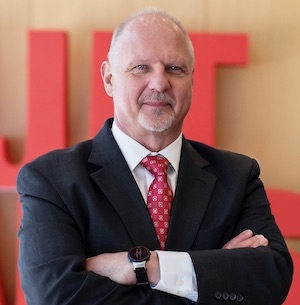
John Pelesko
Ph.D., Interim President, New Jersey Institute of Technology
John Pelesko is Interim President of the New Jersey Institute of Technology (NJIT). He served as Provost and Senior Executive Vice President for academic affairs at NJIT from 2023 – 2026. Previously, he was Dean of the College of Arts and Sciences at the University of Delaware and a Professor in the Department of Mathematical Sciences. He is a distinguished scholar and mathematician, with research on mathematical modeling of physical systems, especially micro and nanoscale engineered systems. Pelesko's mathematical interests include the development and application of mathematical methods to problems arising in the microwave heating of ceramics, electron beam welding, diffusion in polymers, solidification thermomechanics, thermoelastic stability and shock dynamics. Currently, his research is focused upon the mathematical modeling of microelectromechanical systems (MEMS) and nanoelectromechanical systems (NEMS). In addition to his area of focus, he has interests and contributions in other areas, including integer sequences, tiling problems, and physics education.

Pradeep Fulay
Lead Program Director for the Accelerating Research Translation (ART) program in the Technology, Innovation, and Partnerships (TIP) Directorate at NSF
Pradeep Fulay is the lead Program Director for the Accelerating Research Translation (ART) program in the Technology, Innovation, and Partnerships (TIP) Directorate at NSF. He is also the lead for the Quantum Technology and Persons with Disabilities (PWD) tracks in the Convergence Accelerator program in TIP Directorate. Pradeep is an internationally renowned researcher and educator with significant leadership experience in building, interdisciplinary, convergent research fueled by strong, creative, and sustainable partnerships with industry, non-profits, and government agencies. He is also a skilled research administrator with deep knowledge of such issues as acceleration of research translation, leading large, complex, and interdisciplinary teams, intellectual property generation, management, as well export control, and responsible conduct of research. Dr. Fulay earned his undergraduate (B.Tech) and graduate (M.Tech) degrees from Indian Institute of Technology (IIT) Bombay. He then earned his Ph.D. in Materials Science and Engineering from University of Arizona, Tucson in 1989. From 1989-2012 he served as a tenured professor in Swanson School of Engineering at University of Pittsburgh, in Pittsburgh, Pennsylvania. His research contributions in the areas of chemical synthesis of advanced electronic and magnetic materials are internationally recognized. Pradeep is an elected Fellow of the American Ceramic Society. He has authored three textbooks in the area of materials science and engineering and these have been translated in many languages. Dr. Fulay served as a Program Director in the Electrical, Cyber and Communication Systems (ECCS) division from 2008-2011. During his tenure in ECCS, he helped transform the Electronic, Magnetic, and Photonic devices (EPMD) program from conventional silicon based devices to those that are based on organic, flexible, and hybrid devices for applications in alternative energy technologies, sensors, and sustainability. He led the development of BioFlex, an Emerging Frontiers of Research and Innovation (EFRI) program, aimed at applications of printed, flexible devices based on organic electronics for in-vivo and ex-vivo applications related to healthcare.

Arunan Skandarajah
Founder and Principal at Nalam Ventures LLC
Arunan Skandarajah is the Founder and Principal at Nalam Ventures LLC, a consulting firm specialized in healthcare technology commercialization. He is a healthcare systems thinker and navigator who has worked at many scales: from organelle assembly at UC Berkeley to global malaria elimination strategy at the Gates Foundation, from corporate strategy at McKinsey to launching new data functions at the FDA and even a new federal R&D agency, ARPA-H. What connects those experiences is a simple conviction: the people who live healthcare every day — providers, innovators, patients, and caregivers — need better tools and better support.
He is optimistic for the tools that scientists and clinicians can build but knows technology isn't the only hard part. Dr. Skandarajah tracks the frontier in sensing, diagnostics, and applied AI, while keeping one foot in the policy, funding, and regulatory environment that shapes what actually reaches patients. As an impact investor, he has backed innovations in hardware such as point-of-care ultrasound deployed across Sub-Saharan Africa and highly automated diagnostics manufacturing. He also specializes in the innovation funnel itself, building new funding approaches that bring together different types of capital and testbeds to evaluate and advance the right new technologies.
At ARPA-H, he helped build a new agency from its earliest days. Starting as a mid-career Presidential Innovation Fellow supporting a White House biomedical moonshot initiative, he scaled with the organization to 300+ federal and contract staff. He ultimately managed the agency's SBIR program, leading a team and an extended network of commercialization experts to help small business awardees navigate the path from laboratory to market.

Tiffani Bailey Lash, Ph.D.
Health Scientist Administrator for the National Institutes of Biomedical Imaging and Bioengineering (NIBIB) at the National Institutes of Health (NIH).
Tiffani Bailey Lash, Ph.D. serves as a Health Scientist Administrator for the National Institutes of Biomedical Imaging and Bioengineering (NIBIB) at the National Institutes of Health (NIH). Dr. Lash is the Program Director for the NIH Rapid Acceleration of Diagnostics (RADx®) Tech and Advanced Technology Platforms initiative, NIH Technology Accelerator Challenge (NTAC), and the NIBIB Point of Care Technologies Research Network. She also serves as co-coordinator for the NIH Common Fund's Harnessing Data Science for Health Discovery and Innovation in Africa. Her research portfolio includes Point of Care Technologies and Digital Health, both with the goal of developing biomedical technologies through collaborative efforts that merge scientific and technological capabilities with clinical need.
Prior to her current position, Dr. Lash worked within the NIH’s science policy administration. During that time, she worked at the National Institute of General Medical Sciences and National Heart Lung and Blood Institute, as well as the NIH Office of the Director. Dr. Lash has been selected as a science policy fellow for both the American Association for the Advancement of Science (AAAS) and the National Academy of Engineering. She also has a background in small business innovation and intellectual property. Dr. Lash earned her Ph.D. in Physical Chemistry from North Carolina State University via a collaboration between the Departments of Chemistry and Chemical and Biomolecular Engineering. Her interdisciplinary research interests include microfluidics, biopolymers with controlled molecular architecture, and biosensor technologies.

Robert Cohen
Vice President of Innovation and Technology for Stryker’s Orthopaedics Group
Robert Cohen is Vice President of Innovation and Technology for Stryker’s Orthopaedics Group. Robert leads the development of the group’s technical strategy across digital, AI, surgical robotics, guidance, healthcare data access, and R&D talent growth. He also serves as a thought leader and company spokesperson, representing Stryker’s innovation at industry conferences, investor forums, and in media engagements. Additionally, Robert chairs the MedTech industry’s AdvaMed’s Digital Health Technology Board, helping to guide national policy and advocacy efforts around digital health, reimbursement, and data access. With over 40 years of experience in the medical device industry, Robert has been at the forefront of orthopedic innovation, contributing to advancements in joint replacement and spinal implants, novel biomaterials, 3D printing technology, and robotics. His extensive expertise helps to ensure Stryker continues to expand the organization’s mission to improve patient lives. Prior to his current role, Robert held the positions of Chief Technology Officer for Stryker’s Joint Replacement division and President of Stryker’s Digital, Robotics, and Enabling Technologies organization He holds more than 25 patents and frequently speaks at medical education conferences globally. He also serves on numerous boards and is the Chair of the Board of Trustees of the New Jersey Institute of Technology. Robert is a Fellow of the American Institute for Medical and Biological Engineering and a Fellow of the National Academy of Inventors. He was recently elected to the prestigious National Academy of Engineering (NAE), one of the highest professional distinctions in engineering. This honor recognizes his outstanding contributions to orthopedic surgical procedures and devices, as well as his leadership in additive manufacturing and biomaterials. Robert earned his bachelor’s degree in mechanical engineering and master's degrees in both engineering management and mechanical engineering, specializing in biomechanic, from the New Jersey Institute of Technology.

Joel Klein, M.D.
Executive Vice President and Chief Digital and Information Officer at Hackensack Meridian Health
Joel Klein, M.D.is the Executive Vice President and Chief Digital and Information Officer at Hackensack Meridian Health, the largest and most comprehensive and integrated health care network in New Jersey. He oversees the entire digital enterprise for 18 hospitals and more than 36,000 team members, 7,000 physicians, and over 500 patient care locations. Prior to joining Hackensack Meridian Health, Dr. Klein served as the Chief Information Officer and other successive technology leadership roles at the University of Maryland Medical System. He trained as an emergency physician at Johns Hopkins University and was on staff for over 20 years at Baltimore Washington Medical Center, where he also served as the emergency medicine services company president. Dr. Klein holds a BA in Psychology from Yale University, an MA in Bioethics from the University of Washington, and a MPS in Cybersecurity from the University of Maryland, Baltimore County.
Steven Schachter, M.D.
Chief Academic Officer for Cimit in Boston and a Professor of Neurology at Harvard Medical School
Steven Schachter, M.D. is Chief Academic Officer for Cimit in Boston and a Professor of Neurology at Harvard Medical School. He is Past President of the American Epilepsy Society and has served on the Epilepsy Foundation of America Board of Directors and as Chair of its Professional Advisory Board. Dr. Schachter has published over 250 articles and chapters and edited or written 40 books. He is the founding editor and past editor-in-chief of the medical journals Epilepsy & Behavior and Epilepsy & Behavior Case Reports. He has extensive experience conducting, creating, and managing processes and teams that facilitate translational research and commercialization of medical technologies and the diagnosis and treatment of patients. His current focus is accelerating medical technologies from the bench to commercialization by engaging stakeholders, including government agencies and industry leaders. He led the extramural aspects of RADx Tech to support the development, commercialization, and production scale-up of accurate, rapid COVID-19 assays. His efforts have helped to establish a new model of translational research for medical technologies that is now widely applied across multiple funding agencies.

Barry Datlof
Chief, Business Development and Commercialization for the Office of Medical Technology Transfer at the Defense Health Agency Research and Development
Barry Datlof is the Chief, Business Development and Commercialization for the Office of Medical Technology Transfer at the Defense Health Agency Research and Development (DHA R&D). The DHA R&D partners with academia, not for profits, industry and other federal agencies to bring biomedical solutions to the Warfighter and civilians through licensing and cooperative research and development. Their portfolio includes technologies in therapeutics, vaccines, diagnostics, devices, and IT. They support inventors from DHA, the U.S. Army, Navy, and Air Force, and whenever biomedical licensing expertise is needed. Labs are located throughout the U.S. and overseas. Barry is an entrepreneur as well. He cofounded Pregamma, LLC, a female fertility company dedicated to significantly improving the ability of women in their late thirties and early forties to conceive and achieve healthy, full-term pregnancies. He also founded BirchBob, the first XML-based search engine for identifying technologies available for licensing from government, academic, and industry labs. Previously, he founded the technology transfer offices for the American Red Cross and the Dana-Farber Cancer Institute. He received an MBA from the University of Chicago and BA from Swarthmore College.

Michael Wiley
Vice President of the New Jersey Health Foundation
Michael Wiley is Vice President of the New Jersey Health Foundation and its affiliate, Foundation Venture Capital Group, LLC. These organizations provide funding and/or pre-seed investments for health-related projects and start-up companies founded by researchers and clinicians at the following affiliated organizations: Cooper University Health Care, Hackensack Meridian Health, Kessler Foundation, New Jersey Institute of Technology, Princeton University, Rowan University, Rutgers University and Virtua Health. Mr. Wiley assists the Foundation Venture Capital Group’s health-related portfolio companies by providing funding and assisting with the various strategic, operational and back-office management issues associated with developing and growing early-stage health-related companies. Prior to joining the New Jersey Health Foundation and the Foundation Venture Capital Group, Mr. Wiley’s experience included: business development, new venture financing, program/product development, commercial contracting, and intellectual property/technology licensing for organizations such as the New Jersey Economic Development Authority (Edison Innovation Fund), Avaya, Rutgers University, and Lucent Technologies. Mr. Wiley has earned B.A., M.B.A. and J.D. degrees from West Virginia University.

Walida Ali
Director of Programming and Partnerships at Portal Innovations
Walida Ali is Director of Programming and Partnerships at Portal Innovations. Walida leads ecosystem development and strategic partnerships at the NJ Innovation Hub at HELIX. Trained as a molecular bioengineer, she brings expertise in venture creation, life sciences, and healthcare innovation. Prior to joining Portal, she served as Innovation Development Manager at Princeton University, supporting commercialization efforts and startup teams across the NSF I-Corps Northeast Hub. Her experience spans scientific due diligence, university partnerships, fundraising, and business development for biotech companies from seed stage through Series B.

Jennifer D'Angelo
Interim President at the New Jersey Innovation Institute (NJII)
Jennifer D'Angelo is a dynamic leader with over 25 years of experience in healthcare technology and management. As the Interim President at the New Jersey Innovation Institute (NJII), she plays a pivotal role in ensuring the organization runs effectively while guiding it through a significant period of growth and transformation. Jennifer leverages her years of leadership and insight to advance strategic plans, streamline processes, and further operational efficiency while fostering growth and collaboration across various divisions of NJII. Her diverse experience in strategic planning and operational excellence, including implementing EHR systems and leading cybersecurity initiatives, underscores her ability to navigate complex environments. Her focus on continuous improvement is steering the organization toward a more agile and innovative future.
Jennifer is also the Executive Vice President of Healthcare at NJII, where she drives the mission through data-driven decisions. She oversees both federal and state grant-funded programs and supports the management of the New Jersey Health Information Network (NJHIN), which facilitates statewide patient data exchange. Her commitment to enhancing interoperability aims to reduce healthcare costs while improving population health. Outside of NJII, Jennifer is actively involved in healthcare technology organizations like NJAMHAA, NJHIMSS and HIMSS. She has received multiple prestigious awards, including BINJE’s Best in Healthcare Leaders, CIANJ Enterprising Women in Commerce, and Innovate100. As she pursues her Fellow of the American College of Healthcare Executives (FACHE) credential, she continues to support professional development and innovation, regularly sharing her insights at industry events.

Olga Troyanskaya, Ph.D.
Director of Princeton Precision Health and the Maduraperuma/Khot Professor of Computer Science and Integrative Genomics at Princeton University
Olga Troyanskaya, Ph.D. is the founding Director of Princeton Precision Health and the Maduraperuma/Khot Professor of Computer Science and Integrative Genomics at Princeton University, and the Deputy Director of Genomics at the Flatiron Institute. Her research builds trustworthy, large-scale AI systems for scientific and clinical discovery, integrating massive, heterogeneous biological datasets. Her group pioneered deep learning and foundation-style models for whole genome interpretation and recently focuses on verifiable, agentic AI that grounds reasoning in primary data and explicitly validates claims. Olga received her Ph.D. from Stanford University and is an ACM and ISCB Fellow.

Lucia Mirabella, Ph.D.
Vice President, AI Strategy and Business Development at Siemens Healthineers
Lucia Mirabella, Ph.D. is Vice President, AI Strategy and Business Development at Siemens Healthineers, within the company’s global Healthcare AI research and innovation organization. In her current role, she leads initiatives to identify opportunities to translate advanced AI technologies into scalable solutions for healthcare providers, partners, and customers.
Before joining Siemens Healthineers, Dr. Mirabella served as Research and Technology Manager at the R&D arm of Siemens, where she led a team delivering cutting-edge solutions in AI, simulation, and digital twin technologies. She managed a multi-million-dollar annual budget, fostered collaborations with leading universities such as Georgia Institute of Technology and UC Berkeley, and played a key role in business acquisition for Siemens’ technology innovation hub. Previously, she contributed advancements in modeling and simulation, including accelerating structural topology optimization through deep learning and securing funding for several high-profile research initiatives from agencies like DARPA, NSF, and DOE.
Her academic credentials include a doctorate and master's degree in Mathematical Engineering from Politecnico di Milano, both earned with highest honors. She was a visiting fellow at Emory University and completed a postdoctoral fellowship in the Department of Biomedical Engineering at the Georgia Institute of Technology. She has published 40 peer-reviewed papers, was granted more than 10 patents, and has been recognized with prestigious awards such as Siemens’ Inventor of the Year in 2019 and the 2024 Siemens U.S. Excellence Award in "Technology with Purpose".
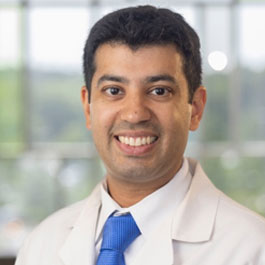
Nikhil G. Thaker, MD, DHA, MHA, MBA
Physician executive, Radiation oncologist, and Clinical informatician
Nikhil G. Thaker, MD, DHA, MHA, MBA, is a physician executive, radiation oncologist, and clinical informatician whose work focuses on translating artificial intelligence and digital technologies into safe, effective, and scalable cancer care. He serves as Chair and Medical Director of Radiation Oncology at Capital Health and Medical Director of Oncology Research through Capital Health’s National Cancer Institute Community Oncology Research Program (NCORP). He previously held clinical informatics, value-based care, and physician leadership roles within a large multispecialty oncology practice. He is also Deputy Editor of AI in Precision Oncology and is board certified in both Radiation Oncology and Clinical Informatics.
Dr. Thaker’s research and innovation interests include generative AI, large language models, retrieval-augmented generation, clinical decision support, knowledge graphs, multimodal AI, healthcare workflow redesign, and implementation science. His recent work has examined the reliability and limitations of large language models in oncology, including specialty-specific benchmarking, retrieval-augmented approaches such as RadOncRAG, and methods for improving the translation of AI-generated knowledge into clinical practice. He is Co-Founder and Chief Medical Officer of Bayta Systems, an oncology-focused health technology company, and Co-Founder of Bridge Oncology. His broader work spans clinical quality, value-based cancer care, healthcare operations, and the development of learning health systems in which technology augments rather than replaces clinical expertise.

Steven Golombek, M.D.
Managing Partner, Allergy & Arthritis Associates, P.A.
Steven Golombek, M.D. is Managing Partner, Allergy & Arthritis Associates, P.A. a medical practice located in northwestern New Jersey, specializing in allergy, rheumatology, and osteoporosis. He has been responsible for implementing new procedures, billings, human resources, and management.
Dr. Golombek is a Founding Fellow of the American College of Rheumatology. He has been involved in medical research at both the laboratory and clinical levels and co-authored multiple papers in the field of systemic lupus, rheumatoid arthritis, and immunology. Over the years, he has been involved in over 35 clinical trials involving drug development and approval. He has received awards from the New York Arthritis and Northeastern Regional Foundations for his research in immunology.
Dr. Golombek received his A.B., summa cum laude from Brandeis University with high honors in chemistry and biochemistry, and was elected to Phi Beta Kappa. He earned an M.D. from The Johns Hopkins University. Following that, he trained in internal medicine at Weill Cornell Medical Center, consisting of The New York Presbyterian Hospital, Memorial Sloan Ketting Cancer Center, and The Hospital for Special Surgery. Subsequently, he pursued a fellowship in rheumatology at The Hospital for Special Surgery. Recently he completed a Master in Health Care Delivery Science from Dartmouth College. He has served on the faculty of Weil Cornell Medical School, Touro College of Osteopathic Medicine and presently, The New York Medical College.

Nandkumar “Nandu” Deorkar, Ph.D.
Senior Vice President of Research & Development and Innovation at Avantor
Nandkumar “Nandu” Deorkar, Ph.D., is Senior Vice President of Research & Development and Innovation at Avantor, where he leads global new product and technology development across biologics, cell and gene therapy, mRNA, and emerging modalities. With more than 25 years of experience in biopharmaceutical development, he has driven innovations spanning upstream and downstream processing, including the development of high-performance recombinant Protein A resins for monoclonal antibody purification and advanced endonuclease solutions supporting viral vector manufacturing. Dr. Deorkar partners closely with biopharma innovators worldwide to address complex manufacturing challenges and accelerate the delivery of safe, effective therapies to patients.

Reynold A. Panettieri Jr., M.D.
Professor of Medicine, Vice Chancellor for Translational Medicine and Science at Rutgers University,
Reynold A. Panettieri Jr., M.D. is Professor of Medicine, Vice Chancellor for Translational Medicine and Science at Rutgers University, and the Director of the Institute for Translational Medicine and Science. This Institute fosters translational studies in health and disease, and integrates the expertise of the disciplines of epidemiology, pharmacology, cell biology, genetics, biochemistry, health economics and informatics across the Rutgers Biomedical and Health Sciences (RBHS) network. Dr. Panettieri is the Principal Investigator of New Jersey’s only CTSA Hub entitled ‘New Jersey Alliance for Clinical and Translational Science’. Previously, he was the Robert L. Mayock and David A. Cooper Professor of Medicine in the Pulmonary, Allergy and Critical Care Division of the Department of Medicine, and served as Deputy Director of the Center of Excellence in Environmental Toxicology at the University of Pennsylvania Perelman School of Medicine where he remains Professor Emeritus. He developed expertise in human exposure to ozone, toxicants and particulate matter in the modulation of airway inflammation and hyperresponsiveness. Dr. Panettieri also focuses on proteomic and genomic studies to identify unique proteomic signatures in COPD and asthma. His translational science interests use state-of-the-art cellular and molecular techniques to characterize airway smooth muscle as an immunomodulatory cell, and in the study of cell signaling mechanisms inducing glucocorticoid insensitivity and excitation-contraction coupling. His fundamental studies also focus on translational targets for new therapeutics and bench-to-bedside testing of novel approaches in the treatment of severe asthma and COPD.
Dr. Panettieri is the recipient of numerous honors and awards, including the Robert E. Cooke Memorial Lectureship at the American Academy of Allergy, Asthma and Immunology Annual Meeting, the Joseph R. Rodarte Award for Scientific Distinction and the Recognition Award for Scientific Accomplishments from the American Thoracic Society (ATS). He is also an active member of national professional and scientific societies including the American College of Chest Physicians and ATS; in 2013, he was elected Chair of the Respiratory Structure and Function Assembly of ATS. Dr. Panettieri served as chair of the NIH Lung Cellular, Molecular, and Immunobiology Study Section, is a member of the NIH Distinguished Editorial Panel, and is a member of the American Society for Clinical Investigation and Association of American Physicians. He serves as Editor of Respiratory Research and the British Journal of Pharmacology and Associate Editor of the American Journal of Respiratory Cell and Molecular Biology. He has trained over 200 postdoctoral fellows and undergraduates with 95% of these trainees remaining in scientific investigation. He is principal investigator on several NIH-sponsored grants and industry-sponsored clinical studies, and is the author of over 525 peer-reviewed publications.
Dr. Panettieri manages the comprehensive clinical care of patients with asthma and is engaged in clinical investigations focused on the management of asthma and COPD.

Debbie Hart
President and CEO, BioNJ
Debbie Hart is President and CEO, BioNJ. As BioNJ’s founding President and CEO, Debbie Hart has dedicated her career to championing Patients, medical innovation and access. Since establishing BioNJ in 1994, she has guided the organization in growing New Jersey’s diverse life sciences ecosystem — from early-stage innovators to global biopharmaceutical companies.
Under Debbie’s leadership, BioNJ has become the leading voice for New Jersey’s life sciences community, advocating for policies that strengthen the State’s position as a global hub for innovation while helping ensure Patients have access to the medicines they need when they need them — a commitment embodied in BioNJ’s guiding mantra, Because Patients Can’t Wait®.
Debbie’s commitment to New Jersey extends beyond BioNJ through her service on numerous State boards and initiatives, including as Chair of the New Jersey Commission on Science, Innovation and Technology, which supports the growth of early-stage companies and helps strengthen innovation and entrepreneurship across the State.

Chrissy Buteas
President & CEO of the HealthCare Institute of New Jersey (HINJ)
Chrissy Buteas is the President & CEO of the HealthCare Institute of New Jersey (HINJ). Founded in 1997, HINJ serves as the trade association for leading research-based biopharmaceutical and medical technology companies in New Jersey.
A seasoned leader, Buteas has held significant positions throughout her career. Before joining HINJ, she served as the Vice President of Government Affairs at Optimum, a prominent broadband communications and video service provider operating across 21 states. She also served as the Chief Government Affairs Officer of the New Jersey Business & Industry Association (NJBIA), where she influenced policies affecting the 1 million employees of member companies. In addition, she led the NEW JOBS PAC, the State’s largest and most influential ideological business political action committee.
Prior to NJBIA, Buteas served as President and CEO of the Home Care & Hospice Association of New Jersey, representing New Jersey home health agencies, hospices, and healthcare service firms providing care to the state’s Medicare, Medicaid, and private-pay patients. Buteas serves on the boards of trustees of Middlesex College, New Jersey Council of County Colleges, NJ Innovation Institute (NJII), Thanexus, Inc. (a funeral service cooperative), the National Association of Corporate Directors, NJ Chapter (NACD-NJ), South Jersey Technology Park at Rowan University, the New Jersey Medical Assistance Advisory Council, Focus NJ, Junior Achievement of New Jersey, Women’s Political Caucus of NJ, and The Historic Village at Allaire. She recently served on Governor Mikie Sherrill’s Economic Development and Innovation Action Team.
Buteas holds an MPA from the School of Public Affairs and Administration at Rutgers University-Newark and a BA from Rowan University.

Conner Herman
Founder, CEO, and Principal Investigator of Percy
Conner Herman, BCBA, is the Founder, CEO, and Principal Investigator of Percy, a contactless, non-video AI sleep monitoring platform that uses sensors to "perceive" what is actually happening in a patient's nighttime environment instead of relying on sleep logs or patient diary. Percy is purpose-built for neurodivergent populations, starting with autism, where 80% of individuals have clinically significant sleep problems that go unmeasured and undertreated. She holds a B.S. in English Literature from the United States Air Force Academy, an M.A. in English Literature from the University of Virginia, an M.S. in Behavioral Psychology from Pepperdine University, and an MBA from Northwestern University's Kellogg School of Management. She is also a Board Certified Behavior Analyst.
Herman has 20 years of experience working with families and children to improve sleep, including extensive clinical experience with children with autism. Prior to founding Percy, she co-founded Dream Team Baby, a boutique sleep consultancy that provided in-home behavioral sleep support to thousands of families. Her experience led her to develop Percy's sensor-based technology, which combines behavioral science, artificial intelligence, and real-time sensing to provide objective insights into sleep patterns for clinicians and researchers.
Herman's career also includes more than a decade of service as a United States Air Force intelligence officer and reservist, including work at the National Security Agency focused on innovation and rapid technology development. Percy is venture-backed by Techstars, was featured at the NIH Research and Innovation Translation Partnerships Conference and Technology Showcase: Point of Care Technologies and Digital Health in 2026 and has been recognized by organizations including MassChallenge, the Alliance for Pediatric Device Innovation, the MedTech Collaborative, and the Endeavor Mount Sinai AI and Technology Healthcare Summit.

Craig B. Arnold
rofessor of Mechanical and Aerospace Engineering and Vice Dean for Innovation at Princeton
Craig B. Arnold is the Susan Dod Brown Professor of Mechanical and Aerospace Engineering and Vice Dean for Innovation at Princeton. As vice dean for innovation, Craig B. Arnold leads the Princeton Innovation initiative and oversees the University’s efforts to grow Princeton’s culture of innovation across disciplines. The role aims to strengthen the University’s capacity to engage with entrepreneurs, alumni, industry, technology investors and other potential partners.
Arnold is Princeton's Susan Dod Brown Professor of Mechanical and Aerospace Engineering. He has served since 2015 as the director of the Princeton Institute of Materials. He leads a vibrant research program that ranges from basic science to applied technology aimed at developing a deeper understanding of materials synthesis and processing in areas including advanced manufacturing, energy storage and conversion, and optics and photonics. In 2017, Arnold received an Edison Patent Award from the Research & Development Council of New Jersey for the creation of an adjustable lens that focuses light in response to sound waves. The tunable acoustic gradient (TAG) lens is now used in many industrial and research applications including robotics, machine vision, industrial metrology and ultra-high precision microscopy. Arnold holds 13 granted patents, and is the co-founder of two companies based on research conducted at Princeton. TAG Optics Inc. developed the TAG lens and was later acquired by a major precision instrument manufacturer. Invictis Technologies is working to create a safer and less painful automated intravenous injection device.
Arnold was named a Knight of Laser Technology (2018) by the International Academy for Production Engineering (CIRP)-Photonic Technologies. He has received a number of prominent industry awards for his technology including R&D World magazine’s R&D 100 award, the SPIE Prism Award for Photonics Innovation, and Vision Systems Design magazine’s Innovators Award. Arnold has received prestigious federal awards and grants, including the National Science Foundation CAREER Award and the Office of Naval Research (ONR) Young Investigator Award.

Lin Dong, Ph.D.
Assistant Professor in the Department of Mechanical & Industrial Engineering at New Jersey Institute of Technology (NJIT)
Lin Dong, Ph.D. is an Assistant Professor in the Department of Mechanical & Industrial Engineering at New Jersey Institute of Technology (NJIT). She earned her Ph.D. from Stevens Institute of Technology, where she received the Innovation and Entrepreneurship Doctoral Fellowship. Prior to joining NJIT, Dr. Dong was a Research Associate at Thayer School of Engineering at Dartmouth College, where she was honored with the Arthur L. Irving Institute for Energy and Society Award. Dr. Dong’s research is supported by the National Institutes of Health (NIH), the National Science Foundation (NSF), the American Heart Association (AHA), the New Jersey Health Foundation, and other organizations. Her interdisciplinary research integrates nanomaterials, nanofabrication, flexible electronics, and soft robotics to develop innovative energy harvesting and sensing technologies for biomedical and healthcare applications. A central focus of her work is translating advances in materials and device engineering into practical technologies for physiological monitoring, wearable and implantable devices, and human–machine interfaces. Through collaborations across engineering and medicine, her research seeks to bridge fundamental technological innovation with unmet clinical needs and advance emerging technologies toward real-world healthcare applications.

Elisa A. Kallioniemi, Ph.D.
Assistant Professor of Biomedical Engineering and Director of the Brain Stimulation Laboratory at the New Jersey Institute of Technology (NJIT)
Elisa A. Kallioniemi, Ph.D. is an Assistant Professor of Biomedical Engineering and Director of the Brain Stimulation Laboratory at the New Jersey Institute of Technology (NJIT). She is a neural engineer and brain stimulation scientist whose research uses non-invasive brain stimulation to understand brain function and develop new therapeutic approaches for neurological and psychiatric disorders. She earned her Ph.D. at the University of Eastern Finland, where she trained in transcranial magnetic stimulation (TMS) methodology, and completed postdoctoral training in the psychiatric applications of TMS at Stanford University and the University of Texas Southwestern Medical Center. Her lab combines TMS with electroencephalography, electromyography, and other physiological measures to develop biomarkers of brain function, with applications in pain, alcohol use, traumatic brain injury, and sleep and cognition. She has authored more than 50 peer-reviewed publications.
Dr. Kallioniemi's translational work focuses on making TMS more precise, efficient, and individualized by integrating artificial intelligence and robotics. Her lab has developed a neurophysiology-informed Bayesian optimization framework that automates TMS motor mapping, locating stimulation targets with fewer pulses and greater accuracy than conventional grid-based approaches. Her work has been supported by NIH, the New Jersey Alliance for Clinical and Translational Science, the New Jersey Health Foundation, and the Foresight Institute, where she is a 2026 Fellow. She serves on the editorial board of the Journal of Neuroscience Methods. She is also a Senior Member of IEEE, Vice Chair of the IEEE North Jersey EMBS Chapter, and co-director of the NYC Clinical & Research TMS Course.
Li Cai, Ph.D.
Professor of Biomedical Engineering at Rutgers University
Li Cai, Ph.D. is Professor of Biomedical Engineering at Rutgers University and a translational researcher whose work integrates gene therapy, regenerative medicine, genomics, computational biology, and neural engineering to develop personalized treatments for spinal cord injury, traumatic brain injury, and neurodegenerative diseases. He received his Ph.D. from Rutgers Robert Wood Johnson Medical School and completed research training at Harvard Medical School and the Dana-Farber Cancer Institute. His laboratory has developed innovative gene therapy approaches that promote neural regeneration and functional recovery after spinal cord injury. His technologies have attracted venture capital investment, led to startup formation, and advanced toward clinical translation, exemplifying the pathway from academic discovery to patient impact.
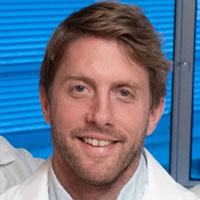
Peter A. Galie, Ph.D.
Professor of Biomedical Engineering and Associate Dean of Research and Graduate Studies at the Henry M. Rowan College of Engineering, Rowan University
Peter A. Galie, Ph.D., is Professor of Biomedical Engineering and Associate Dean of Research and Graduate Studies at the Henry M. Rowan College of Engineering, Rowan University. He also serves as a co-founder and Chief Technology Officer of Instant Bio, Inc. He earned his Ph.D. in Biomedical Engineering from the University of Michigan and completed postdoctoral training in bioengineering and biophysics at the University of Pennsylvania under Christopher Chen and Paul Janmey. His research focuses on mechanobiology and microfluidics, with a particular emphasis on the blood-brain barrier and spinal cord injury repair. Dr. Galie has authored 54 peer-reviewed publications and secured research funding from agencies including the NIH, NSF, and the American Heart Association. He holds two issued patents with four additional applications currently in review, and has mentored numerous graduate and undergraduate researchers since beginning his laboratory at Rowan in 2015.

Jennifer J. Kang-Mieler
Professor and Chair of Biomedical Engineering and Director of the Semcer Center for Healthcare Innovation at Stevens Institute of Technology
Jennifer J. Kang-Mieler, Ph.D., is the George Meade Bond Endowed Professor and Chair of Biomedical Engineering and Director of the Semcer Center for Healthcare Innovation at Stevens Institute of Technology. She received her B.A. in Mathematics, M.S. in Applied Mathematics, and Ph.D. in Biomedical Engineering from Northwestern University and completed postdoctoral training in Ophthalmology and Visual Sciences at the University of Illinois at Chicago. She is a Fellow of the American Institute for Medical and Biological Engineering (AIMBE) and the Association for Research in Vision and Ophthalmology (ARVO).
Dr. Kang-Mieler’s NIH-supported translational research focuses on ophthalmic drug delivery and retinal imaging and analysis, including artificial intelligence and machine learning. Her work seeks to improve the treatment of retinal diseases through sustained drug delivery and to identify early changes in retinal vascular function through quantitative imaging. Her research has resulted in three U.S. patents in ocular drug delivery and has advanced these technologies through preclinical evaluation toward clinical translation.
Dr. Kang-Mieler has served on the ARVO Board of Trustees and as Vice President of ARVO. As Director of the Semcer Center for Healthcare Innovation, she leads multidisciplinary efforts to advance engineering-driven technologies for earlier detection, prevention, and translation into healthcare.

Michael Zwick, Ph.D.
Senior Vice President for Research at Rutgers University,
Michael Zwick, Ph.D., is the Senior Vice President for Research at Rutgers University, a Professor of Genetics at Rutgers-New Brunswick, and a fellow of the American Association for the Advancement of Science (AAAS). As Rutgers University’s Chief Research Officer, he oversees a university-wide research enterprise with nearly $1 billion in sponsored awards. He serves as Rutgers’ chief research officer and institutional official and leads the Office for Research’s 300 staff. His people-focused leadership cultivates emerging leaders who bring strategic clarity, operational rigor, and partnership skills supporting agile, innovative 21st-century institutions. Dr. Zwick earned a B.S. from Cornell University in Biological Sciences, a Ph.D. in Population Biology at the University of California, Davis, and was a Professor of Human Genetics at Emory University’s School of Medicine. His research uses genetic principles to identify causes of rare and common disorders.
Dr. Zwick served as a US Navy officer. He served onboard the USS KAUFFMAN (FFG 59) for 38 months and is a Desert Storm veteran. Dr. Zwick also served on active duty during the Iraq and Afghanistan war efforts from November 2002 through November 2004. He retired at the rank of Commander (O-5) after more than 25 years of service.

Shawn Chester
Associate Vice Provost for Research Collaborations and Partnerships and an Associate Professor in Mechanical Engineering at the New Jersey Institute of Technology
Shawn Chester, Ph.D. is currently Associate Vice Provost for Research Collaborations and Partnerships and an Associate Professor in Mechanical Engineering at the New Jersey Institute of Technology. Shawn was previously a postdoctoral researcher at Lawrence Livermore National Laboratory. Prior to that he obtained his PhD in solid mechanics from the Mechanical Engineering at MIT and obtained both his BS and MS in Mechanical Engineering from NJIT. As the inaugural position holder for the Associate Vice Provost for Research Collaborations and Partnerships, Shawn's role is to enhance research collaborations and partnerships, bringing investigators and institutions together to conceptualize and develop large-scale multidisciplinary research initiatives and translate them into compelling funding opportunities. Shawn is Co-Principal Investigator on the NSF Accelerating Research Translational Cooperating Agreement award and Associate Director of the Center for Translational Research at NJIT. Shawn’s research focus in the past few years has been the development of experimentally validated continuum level constitutive theories for large deformation multiphysics behavior of polymeric materials and the associated numerical implementation. His work spans most aspects of mechanics, experimental characterization, theoretical modeling, numerical implementation, and experimental validation. Shawn has been recognized by young investigator awards through the ASME AMD Thomas J.R. Hughes Award, an NSF CAREER, and the ASME AMD Haythronthwaite award.
