The NJIT Technology Innovation Translation and Acceleration (TITA) Seed Grant program will enable faculty and students to successfully accelerate the translation of their innovation to enterprise development and business incubation. The TITA seed grant program will foster entrepreneurial pathways from research and innovation to business and value creation with the acquisition of intellectual property, market validation, and engagement of stakeholders towards commercialization.
TITA Seed Grant Awards
NJIT Technology Innovation Translation and Acceleration (TITA) seed grants are funded in three phases of $25,000 each with a total potential funding of up to $75,000 as following:
Phase-1 (Up to $25,000): Technology Innovation Translation Research and Proof of Validation: The Phase-1 proposal must incorporate collaborative research and partnership with at least one external stakeholder from industry, academia, community or local government organizations, federal labs, or professional user groups (such as physicians in hospital or private practice for medical devices). The objectives of the Phase-1 proposal must include market research for unmet need(s), developing prototype devices/technology, translational research for application validation, and assessment of all risks associated with bringing the application to market, especially with respect to competition and future growth.
Phase-2 (Up to $25,000): Technology Innovation Acceleration to Entrepreneurship: The Phase-2 funding will focus on the development of pre-commercial prototypes of devices or technology, scalable validation, and business plans and technology transfer to an existing company or forming a new start-up company establishing market channels. This phase, often called the early incubation stage, will include advanced market validation studies (such as early clinical trials for validation of potential medical devices). The Phase-2 goals must also include development of collaborative partnership-based business models and strategies to attract interest from external entrepreneurs, investors or a commercial entity for licensing and commercialization.
Phase-3 (Up to $25,000): Advanced Technology Innovation Acceleration to Commercialization: The collaborative partnership-based Phase-3 proposal will focus on developing commercialization plans with advanced commercialization-ready technology or product(s) and additional regulatory, business, marketing, and risk management. This phase will also include larger scalable technology validation, market trials (such as early clinical trials for medical devices) and user-acceptance studies towards submission of investment proposal and grants to secure future funding for commercialization from the NJIT Investment Fund, an angel investment fund, NSF TIP or similar grant program.
Announcement
NJIT Technology Innovation Translation and Acceleration (TITA) Program
TITA-2026 Seed Grant Awards
Total Funding Awarded: $400,000
The NJIT Technology Innovation Translation and Acceleration (TITA) Seed Grant Program continues to strengthen NJIT’s translational research ecosystem by supporting faculty and student innovators in accelerating the path from laboratory discovery to societal and market impact. Through technology validation, market research, prototyping, IP development, and strategic stakeholder engagement, the TITA Program enables researchers to advance their innovations toward commercialization and entrepreneurial pathways.
As a core initiative of the NJIT Center for Translational Research (CTR)—funded by the U.S. National Science Foundation Accelerating Research Translation (ART) program and institutional strategic investment is the TITA program contributing directly to the NJIT’s 2030 Strategic Plan Research, Innovation, and Entrepreneurship priority. The CTR provides structured guidance, interdisciplinary mentoring, workshops, and opportunities for building innovation partnership ecosystem to enhance competitiveness for external translational research funding and commercialization.
Since its launch in Fall 2022, 13 TITA Seed Grants have been awarded, each at $75,000. The TITA Seed Grant program has led to the creation of three start-up companies with one company invested with $ 1 million investment funds from NJII Venture Studio program. In addition, one industry-university innovation partnership contract has been executed for translational research and validation.
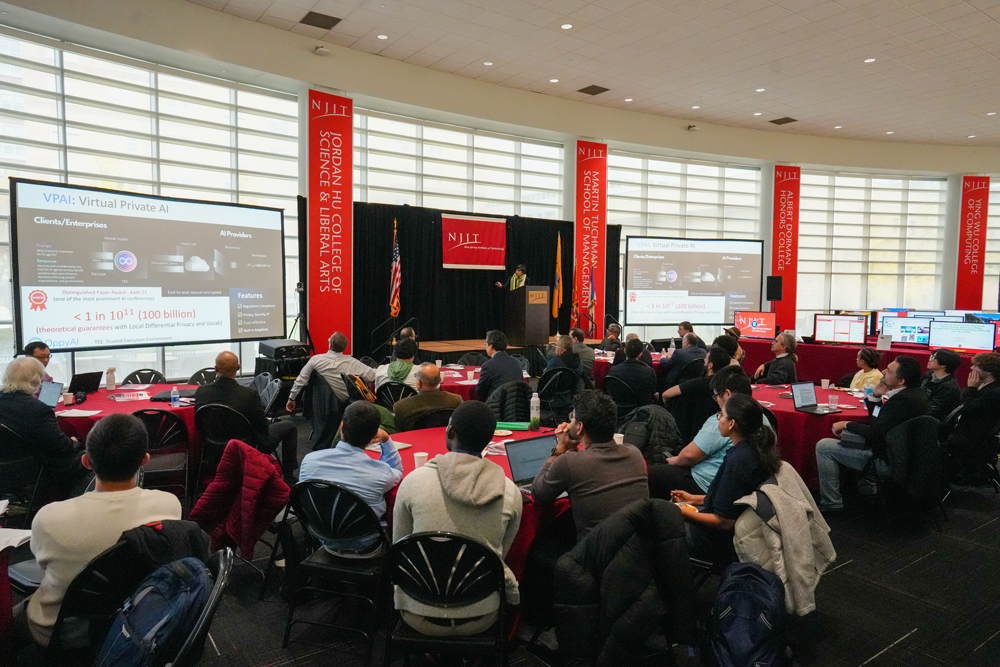
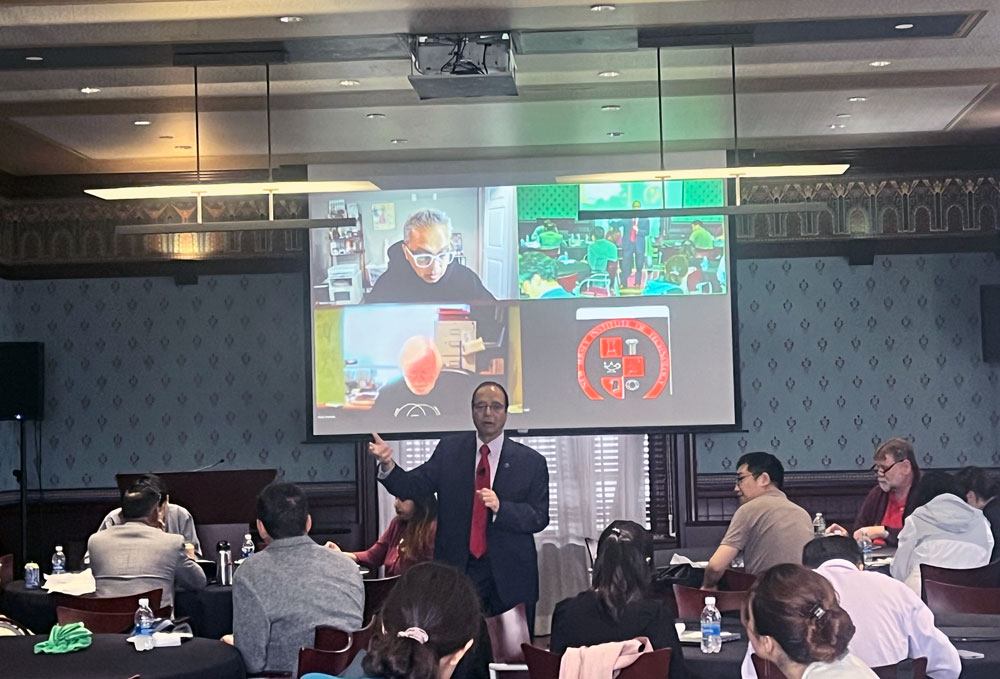
On November 10, 2025, the CTR hosted NJIT Fall 2025 Innovation Day, featuring the Innovation Pitch Competition and Stage-4 TITA-2026 Final Pitch Presentations. We are pleased to announce that five new TITA-2026 Seed Grants have been awarded with a total of $400,000 in funding. These awards include one TITA-2026 Advance Seed Grant of $100,000 and four TITA-2026 Seed Grant awards at $75,000 each to accelerate technology innovation translation for application and market validation towards translational commercialization pathways for societal benefits with potential economic impact.
Congratulations to All FY2026 TITA Seed Grant Awardees!
Title of the Technology: Chemical Defluorination of PFAS Under Ambient Conditions
Proposers and Affiliations: Arjun Venkatesan; Associate Professor, Civil & Environmental Engineering, NJIT
Partnership Team: Charmi Chande, CEO, PFASolve, Inc.
Company: PFASolve
Mentor: Govi Rao, CEO, Phase Change Solutions and Stewart Abrams, Director of Remediation Technology, Langan Engineering & Environmental Services
Innovation Pitch Competition Winner: TITA-Advance 2026 Seed Grant Award: $100,000
Executive Summary:
Per- and polyfluoroalkyl substances (PFAS) are of increasing concern due to their widespread occurrence in the environment and their toxicity to humans and ecosystems, even at very low concentrations (parts-per-trillion levels). Because of the multiple carbon–fluorine bonds in their structures, PFAS are highly resistant to transformation and degradation. Available technologies that can destroy PFAS require extreme conditions such as high temperature, high pressure, and alkaline pH, and requires several hours of contact time for near-complete destruction. Such processes result in high energy consumption and high treatment costs. Additionally, many of these processes do not completely destroy PFAS and results in the generation of partially transformed byproducts of PFAS and the generation of short-chain/ultra-short-chain PFAS.
The technology proposed here addresses and overcomes these important challenges by providing a chemically-mediated complete destruction of PFAS at ambient conditions (i.e., room temperature, atmospheric pressure, and near-neutral pH) within minutes. The chemical reaction is mediated by the presence of sodium metal complexed with naphthalene, that serves as a strong reducing agent that defluorinates all types of PFAS. Laboratory testing revealed that the chemical reaction has the potential to destroy aqueous film-forming foam (AFFF) formulations, providing an opportunity to destroy residual AFFF wastes in fire suppression systems.
This project presents a highly innovative approach for the destruction of PFAS that has not been previously demonstrated. The proposed technology can be readily scaled up, as the chemical reactant is commercially available and the process design is straightforward. PFAS concentrates can be efficiently extracted from relevant waste streams using common solvents and subsequently treated with the sodium-metal reactant under ambient conditions. Given the rapidly expanding PFAS management market and the urgent need for effective destruction methods, this technology offers a significant competitive and environmental advantage. The awarded $100,000 TITA-Advanced Seed Grant will support advancing the technology from TRL 5/6 to a pilot- and demonstration-ready stage, paving the way for future commercialization.
Title of the Technology: n-Fast - A Nanotechnology Approach to Developing Fast Dissolving Active Pharmaceutical Ingredients (APIs)
Proposers and Affiliations: Somenath Mitra, PhD, Distinguished Professor, Chemistry and Environmental Sciences, NJIT
Partnership Team: Sai Rangarao, Senior Vice President of Commercialization, Pelthos Therapeutics; Marc Long, Executive Vice President, Research & Development, Clinical & Medical Affairs, MTF Biologics
Company: NEAT Bioscience
Mentor: Marc Long, Executive Vice President, Research & Development, Clinical & Medical Affairs, MTF Biologics
TITA-2026 Seed Grant Award: $75,000
Executive Summary:
The United States maintains a dominant position in the global pharmaceutical industry, accounting for 42.6% of the $1.48 trillion global pharmaceutical market. The country hosts some of the largest pharmaceutical companies globally, and American consumers have access to the most cutting-edge pharmaceutical products worldwide. A significant challenge currently confronting the pharmaceutical industry and drug development pertains to a substantial proportion (40 to 70%) of active pharmaceutical ingredients (API) exhibiting low water solubility, resulting in poor bioavailability and often therapeutic ineffectiveness. These hydrophobic molecules fall within the Biopharmaceutics Classification System (BCS) categories II and IV drugs. In light of this, the global market for BCS Class II and IV drugs could range from $600 billion to $1.036 trillion. The text later presents selected candidate APIs and their respective market sizes.
We have developed a nanotechnology approach referred to as n-Fast to enhance the bioavailability and effectiveness of Active Pharmaceutical Ingredient (API) crystals by improving their water solubility, essentially creating a fast-dissolving version of the drug (1-10). Our technology aims to reformulate various insoluble APIs, falling under BCS Class II and IV, with bioabsorbable, functionalized nanoparticles (FNPs) featuring surface hydrophilization to enhance solubility, and ultimately efficacy. We propose the direct incorporation of FNPs into drug crystals during their formation in a way that preserves the crystal structure, polymorph, and physicochemical properties. The mechanism of fast dissolution
Our initial work involved functionalized carbon nanotubes (fCNTs) and nano graphene oxide (nGO) as FNPs. While fCNTs and nGO showed excellent results, their potential cytotoxicity raised significant concerns. Consequently, with the help of previous TITA funds, we have commenced the development of FNPs using FDA-approved bioabsorbable polymers. We have now formed NEAT Biosciences as an official company with a strong leadership team possessing broad and deep expertise. The main use of the TITA-2026 funds from the proposed award will be to generate data for regulatory (FDA) validation. This will mainly involve in vivo studies in animal models—primarily rat and dog models—using selected APIs over a period of 0 to 18 months. At the same time, the team will engage biotech and specialty pharmaceutical companies to build awareness and interest in the platform. These efforts aim to secure one or two pre-licensing or co-development agreements that can generate early IND (Investigational New Drug)-development revenue.
Title of the Technology: Settable Bone Allograft Matrix Formulations
Proposers and Affiliations: Murat Guvendiren, Associate Professor, Chemical and Material Engineering, NJIT
Partnership Team: Marc Long, Executive Vice President, Research & Development, Clinical & Medical Affairs, MTF Biologics
Mentor: Marc Long, Executive Vice President, Research & Development, Clinical & Medical Affairs, MTF Biologics
TITA-2026 Seed Grant Award: $75,000
Executive Summary:
Osteoporosis and related conditions affect more than 10 million individuals in the United States, with an additional 40 million at risk due to low bone density. Bone defects resulting from trauma, infection, tumor resection, or degenerative disease remain a major clinical and socioeconomic challenge, contributing to an annual healthcare burden exceeding $5 billion in the U.S. alone. Although bone grafting remains a cornerstone of musculoskeletal repair and spinal reconstruction, current graft materials fall short of clinical demands. Demineralized bone matrix (DBM) putties and particulates exhibit poor injectability, variable bioactivity, and a high risk of migration after implantation. Synthetic cements and ceramics offer improved handling and strength but lack the osteoconductive and osteoinductive capacity required for true regeneration. Cellular allografts, while biologically active, are costly, inconsistent in performance, and poorly suited for minimally invasive delivery. Collectively, these limitations underscore a critical unmet need for a biologically functional, minimally invasive, self-curable bone graft technology that can be precisely delivered through small cannulas, conform to irregular defect geometries, resist washout, and provide immediate mechanical stability while supporting long-term bone healing.
We have developed a self-curable allograft composite technology that leverages human bone allograft (HBA) particles dispersed within a polysaccharide-based matrix (e.g., hyaluronic acid). The gradual release of calcium ions from HBA particles initiates ionic crosslinking, yielding a tunable self-curing mechanism that eliminates the need for external stimuli. In its primary application, the formulation is designed as a minimally invasive injectable bone void filler, providing defect conformity, graft stability, and biologically active integration. Beyond injectable use, this versatile technology can be readily adapted as a moldable putty or formulated for extrusion-based 3D printing, enabling the fabrication of patient-specific grafts with customized geometry and mechanical performance. This adaptability positions the platform as a next-generation solution for bone repair, bridging a critical gap between biologic function and surgical practicality across spine, trauma, and reconstructive applications.
Title of the Technology: NoirVPAI: The World’s First Private and Secure AI Router
Proposers and Affiliations: Hai Phan, Associate Professor, Data Science, NJIT
Partnership Team: Ruoming Jin, Professor, Computer Science Department, Kent State University; My T. Thai, Professor, Computer & Information Sciences & Engineering Department, University of Florida; Yelong Shen, Principal Research Manager, Microsoft Azure AI
Company: OppyAI
Mentor: Mike Doyle, Professor Fellow and Chair, Department of Biology, New Mexico Institute of Mining and Technology
TITA-2026 Seed Grant Award: $75,000
Executive Summary:
ChatGPT users send 2.5 billion requests daily, with over 750 million active users weekly. This massive number indicates a significant boost in productivity across industry sectors in the use of large language models (LLMs), covering every possible use case, from individual users to enterprises, organizations, and governments. The significant concerns and substantial risks associated with existing frameworks of LLM-based services include data privacy, security, and intellectual property (IP) protection. These concerns and risks are rooted in the fact that an AI service provider (cloud) observes a client’s prompts, which often include confidential information such as legal documents, insurance claims, electronic health records, proprietary software code, and patents, etc., sent to LLMs hosted on the AI service providers’ clouds to generate desired responses for daily and professional tasks. Without proper protection in a complicated LLMs’ operation pipelines, leaks and data misuse have occurred and can occur everywhere. Also, a recent lawsuit spotlights that AI service providers typically store users’ chat history indefinitely, with an uncertain future of whether this chat history can be used against individuals, enterprises, and organizations in legal incidents. Existing technology and solutions, such as data deletion, non-recording, data encryption and decryption, and trusted execution environments (TEEs) frameworks, have not been designed to adequately address these risks, with theoretical guarantees, while inevitably introducing unaffordable costs to users.
We have validated the technology to establish an end-to-end, neural-encrypted communication protocol between users and LLMs at scale, making it deployable to devices, computers, and cloud-based enterprises with significantly lower cost compared with existing competitors.
Our project develops the World’s First Private and Secure AI Router (NoirVPAI), offering an end-to-end neural encrypted communication protocol for individuals and LLMs at scale based on our proprietary IP. In this protocol, the user is the only recipient of their prompt and decrypted response when communicating with the LLM on the cloud through a neural-encrypted message and response. No LLM, and no person can understand the neural-encrypted message and the response, with a theoretical guarantee (the chance to crack it is smaller than 1 in, 100 billion). In fact, the LLM observes meaningless content while it can still generate a response, which only the client can decrypt. The beauty of neural crypto is that it is incredibly lightweight, allowing it to scale to a massive number of users without interfering with the LLM’s operation process. This property enables us to significantly reduce the cost by at least 30% compared with all existing techniques and ~1,000 times compared with operating a local LLM. Neural Crypto-powered NoirVPAI will revolutionize the way humans communicate with AI models, using our secure protocol. We have validated the technology with powerful code generation, coding at an agentic level 3, secure chat with confidential document analysis, and API services using a Qwen3 32B model, yielding highly competitive performance on the market. The TITA-2026 funds seed grant will bring this revolution closer to reality, enabling NoirVPAI to soon be available to a mass market of individual users, enterprises, and organizations.
Title of the Technology: Skin-Like Cardiac Patch for Personalized and Preventive Heart Care
Proposers and Affiliations: Lin Dong, PhD, Assistant Professor; Department of Mechanical & Industrial Engineering, NJIT
Partnership Team: Huzaifa Shakir, MD, MHA, FACS; Associate Professor, Department of Cardiac Surgery, Rutgers-New Jersey Medical School
Mentor: Steven Golombek, Managing Partner, Allergy & Arthritis; and Sabbir Rangwala, CEO, Patience Consulting LLC
TITA-2026 Seed Grant Award: $75,000
Executive Summary:
Heart disease remains the leading cause of death worldwide, driving urgent demand for advanced, reliable, and patient-centric cardiac monitoring solutions that enable early detection, continuous care, and data-driven clinical decisions. Existing ambulatory devices, which rely primarily on electrocardiogram (ECG) monitoring, are limited by patient discomfort, rigid connections, poor breathability, short battery life, and inadequate long-term usability. These constraints hinder continuous monitoring, delay timely intervention, and reduce patient engagement, creating a clear gap in the market for next-generation, high performance wearable solutions.
The proposed skin-like dual-functional cardiac patch directly addresses these limitations by simultaneously capturing ECG and seismocardiogram (SCG) signals, providing a comprehensive, real-time assessment of cardiac function. It leverages advanced nanofibrous materials to detect mechanical heart vibrations and nanowire electrodes for robust electrical performance while maintaining skin-like flexibility, breathability, and biocompatibility. Its self-powered design converts cardiac motion into sensing signals, enabling autonomous, continuous monitoring without external power sources. The combination of dual-modal sensing, seamless skin conformity, and long-term wearability establishes a new benchmark for personalized, preventive cardiac care.
The commercial potential is substantial. The global cardiovascular devices market was valued at $57.35 billion in 2024 and is projected to reach $128.23 billion by 2034, reflecting a CAGR of 8.4%. Growth is fueled by increasing cardiovascular disease prevalence, rising healthcare expenditures, and adoption of wearable, minimally invasive, and home-based monitoring solutions. By delivering non-intrusive, dual-modal monitoring with superior comfort and usability, the patch provides a distinct competitive advantage over traditional ECG-centric devices. A provisional patent further secures intellectual property and enhances investment and commercialization prospects.
By combining innovative nanomaterials, flexible electronics, and patient-focused design, the dual-functional cardiac patch represents a transformative, investable platform. It supports earlier detection, informed clinical decision-making, improved patient outcomes, and positions itself to capture a significant share of the expanding wearable and home-based cardiac monitoring market, offering a high-impact, commercially viable solution for the future of cardiac care.
Call For Proposals
- 2025 Innovation Pitch Competition
Prize: $100,000 TITA-Advanced Seed Grant - 2026 Technology Innovation Translation and Acceleration (TITA) Seed Grant
Up to four $75,000 TITA Seed Grants
Previous Seed Projects Announcement
TITA-2025 Seed Projects Announcement
TITA-2024 Seed Projects Announcement
TITA-2023 Seed Projects Announcement
This work was partially supported by a U.S. National Science Foundation Accelerating Research Translation cooperative agreement (TIP-2331429) and the NJIT Center for Translational Research. The opinions, findings, and conclusions, or recommendations expressed are those of the author(s) and do not necessarily reflect the views of the National Science Foundation.
